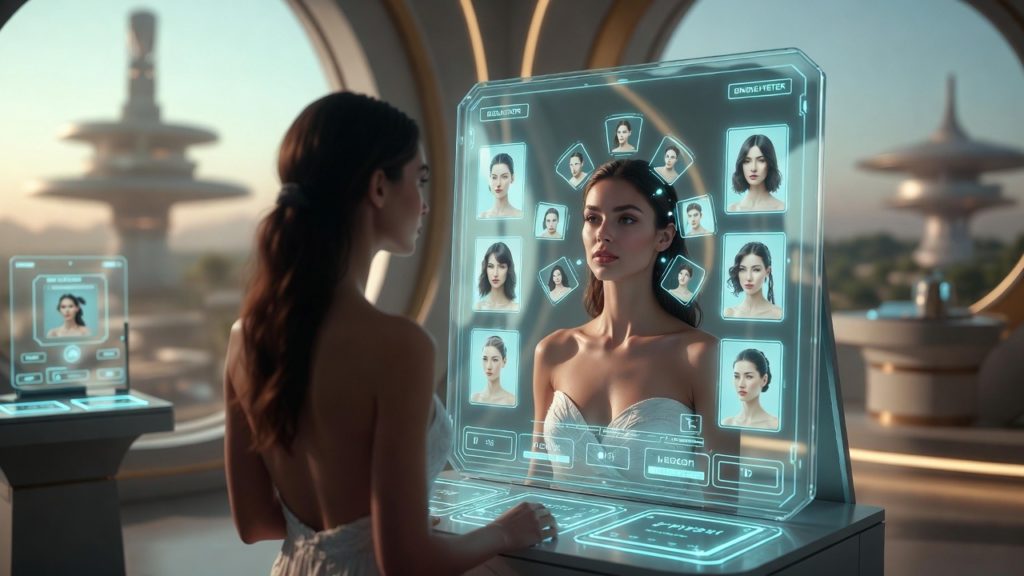
Over the past few years, digital try-on tools have expanded across fashion, cosmetics, and accessories. Hairstyling has followed the same path. AI hair design tools have gained attention because they combine visualization with practical guidance.
Some surveys and platform reports indicate that younger audiences, particularly Gen Z and millennials, are especially comfortable using interactive tools before committing to changes. However, adoption is not limited to one demographic. Professionals, parents, and mature adults are also turning to virtual previews to save time and minimize uncertainty.
Another growing trend is the integration of facial mapping technology. Platforms increasingly incorporate facial analysis for better hairstyle choices to align cuts and styles with individual proportions. This added layer of personalization moves beyond simple overlay effects and into more nuanced recommendations.
Why Users Are Embracing AI Hair Design
The appeal of AI hair design lies in its practicality. Many users have stated that one of the most stressful aspects of changing a hairstyle is uncertainty. Once hair is cut, it cannot instantly return to its previous length. Digital previews provide reassurance.
Key benefits often mentioned include:
- Reduced Risk: Users can test bold styles such as short bobs or heavy bangs without immediate commitment.
- Time Efficiency: Instead of booking multiple consultations, users can narrow down options beforehand.
- Improved Communication: Sharing a digital preview with a stylist can clarify expectations.
Some surveys and platform reports suggest that consumers who preview styles digitally report higher confidence levels before salon appointments.
Target Audience and User Segments
AI hair design platforms serve a wide range of audiences:
1. Trend Explorers
These users enjoy experimenting with new looks frequently. They are often influenced by social media trends and seasonal fashion updates. Virtual previews allow them to test variations quickly.
2. Professionals Seeking Polished Looks
Working individuals often prefer styles that align with workplace expectations. Digital tools help them explore refined cuts that balance style and practicality.
3. Event-Focused Users
Weddings, graduations, and milestone celebrations inspire many hairstyle changes. Many users have stated that previewing formal styles reduces stress before important events.
4. Mature Users Considering Updates
Some surveys and platform reports indicate that mature audiences increasingly use digital previews to explore modern styles while maintaining elegance and comfort.
By catering to diverse needs, AI hair design platforms broaden their appeal beyond trend-driven experimentation.
The User Experience Journey
A typical user journey begins with uploading a clear, well-lit photo. For optimal results, most platforms recommend:
- Neutral facial expressions
- Straight-on angles
- Minimal background distractions
- No heavy filters
Once uploaded, users can explore various cuts, lengths, and textures. Tools such as FaceHair virtual hairstyle preview allow side-by-side comparisons, helping individuals evaluate subtle differences like part placement or layering depth.
Many users have stated that seeing multiple options simultaneously makes decision-making more structured. Instead of relying on memory or imagination, they can analyze visuals directly.
The brand facehair.ai has positioned itself within this evolving space by emphasizing intuitive navigation and realistic simulations. Its focus on personalization aligns with broader industry trends favoring user-centered design.
Experience Sharing: What Users Are Saying
User feedback plays a central role in shaping digital beauty tools. Many users have stated that virtual previews feel empowering because they shift control back to the individual. Instead of depending entirely on external opinions, they can explore possibilities privately.
Some surveys and platform reports highlight recurring themes in user feedback:
- Appreciation for realistic texture rendering
- Satisfaction with easy upload processes
- Interest in more diverse hairstyle libraries
Users also share that combining digital previews with professional advice yields the best outcomes. AI hair design serves as a starting point, not a final authority.
Limitations to Consider
While AI hair design offers valuable insights, it is not without limitations. Transparency about these boundaries helps maintain realistic expectations.
Lighting and Image Quality
Poor lighting or low-resolution images may affect preview accuracy.
Texture Variations
Although simulations aim for realism, natural hair movement and daily styling techniques can influence the final real-world result.
Personal Preferences
No algorithm can fully capture individual taste. What looks harmonious according to facial proportions may not align with personal style goals.
Some surveys and platform reports suggest that users who approach virtual previews as guidance rather than guarantees tend to report greater satisfaction.
The Future of AI Hair Design
As digital technology advances, AI hair design is likely to become more immersive. Potential developments may include:
- Enhanced 3D modeling
- Real-time movement simulations
- Expanded customization options for color and texture
Many users have stated that they would welcome more interactive features, such as adjustable volume sliders or lighting simulations.
Industry experts also predict deeper integration between digital platforms and in-salon services. For example, stylists may increasingly request clients to bring digital previews to consultations, streamlining communication and planning.
Balancing Innovation with Practicality
While the excitement surrounding AI hair design continues to grow, balance remains essential. Digital tools are most effective when combined with professional expertise and realistic expectations.
Some surveys and platform reports emphasize that consumers value tools that are transparent about their capabilities. Platforms that clearly explain limitations and encourage thoughtful decision-making build greater trust.
By integrating facial analysis for better hairstyle choices with intuitive preview features, digital hairstyling platforms empower users to make informed decisions without pressure.
Conclusion
The rise of AI hair design reflects a broader shift toward personalization in the beauty industry. As consumers seek tailored solutions and greater control over their choices, digital hairstyle previews offer both convenience and confidence.
Through tools like FaceHair virtual hairstyle preview, users can explore options aligned with their features, preferences, and lifestyle. Many users have stated that this interactive approach makes hairstyle experimentation less intimidating and more enjoyable.
While no digital tool can replace professional skill or personal intuition entirely, AI hair design provides a valuable bridge between inspiration and action. As technology continues to evolve, it is poised to play an even more influential role in how individuals discover and refine their signature look.