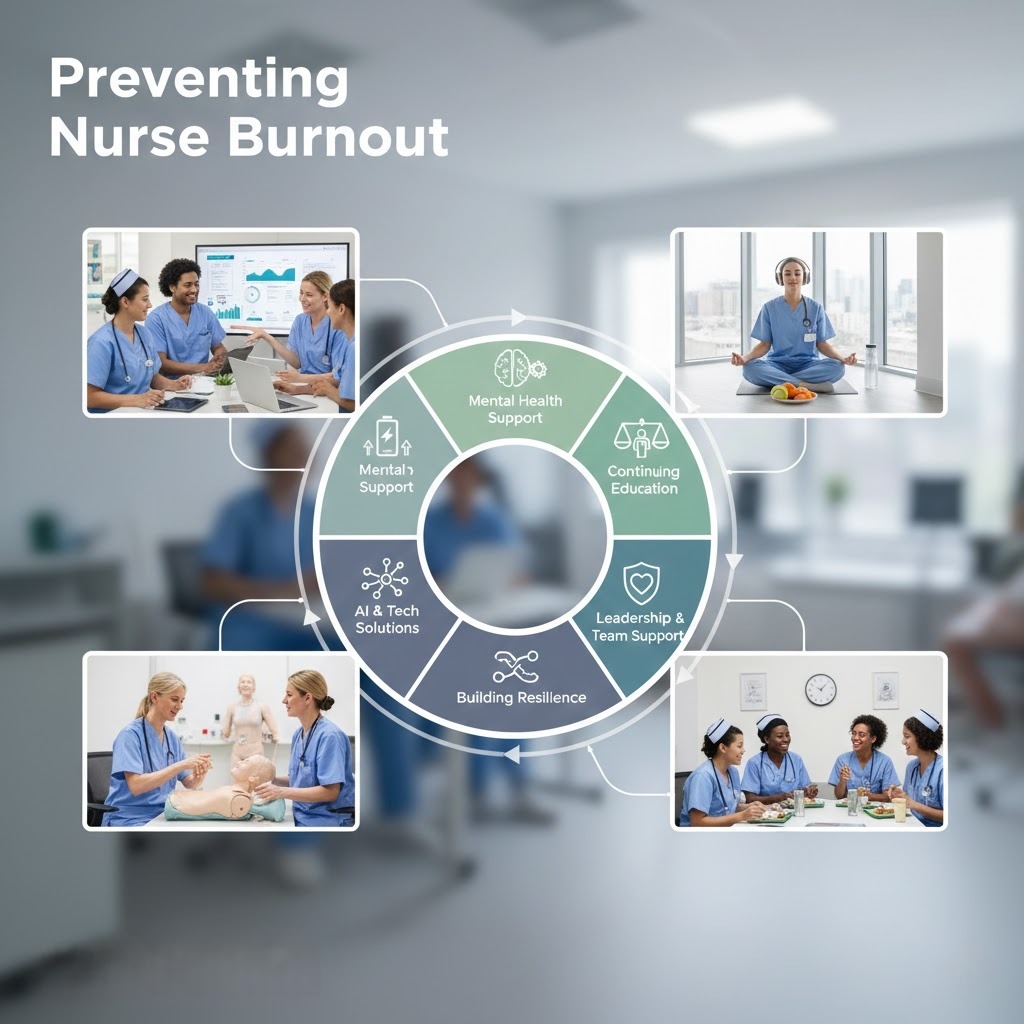
Nursing has always been a demanding and emotionally intense profession, but today’s healthcare environment presents even greater challenges. Hospitals face rising patient volumes, higher acuity cases, rapid technology adoption, and persistent staffing shortages. These realities place considerable strain on nurses and make nurse burnout one of the most urgent issues affecting modern healthcare.
Burnout impacts not only nurses’ mental and physical health but also patient safety, clinical communication, and long-term workforce retention. Understanding how and why burnout occurs, and implementing proven strategies to prevent it, is essential for building a resilient and empowered nursing workforce.
Understanding the Root Causes of Nurse Burnout
Burnout develops through a combination of emotional exhaustion, workload imbalance, and ongoing exposure to high-stress situations. Common contributing factors include:
- High patient-to-nurse ratios
- Excessive documentation
- Mandatory overtime
- Exposure to traumatic events
- Limited staffing and resources
- Lack of mentorship or peer support
- Communication gaps between care teams
- Technology-related fatigue
As digital systems expand, nurses increasingly rely on EHRs, telehealth tools, and automated workflows. While these systems improve efficiency, inadequate training can lead to digital overload. Improved training programs and modern educational resources, such as those offered on platforms like Nurses Educator, help nurses adapt to new technologies with greater confidence and reduce stress associated with digital transitions.
Recognizing Early Signs of Burnout
Identifying burnout early allows nurses to intervene before symptoms escalate. Warning signs include:
- Emotional exhaustion or detachment
- Irritability or frustration
- Difficulty concentrating during shifts
- Loss of interest in clinical tasks
- Disturbed sleep patterns
- Anxiety before or during work
- Declining job satisfaction
- Reduced empathy toward patients
Without timely support, these symptoms may progress to chronic burnout, impaired clinical judgment, and increased risk of errors.
How Professional Education Helps Prevent Burnout
Continuing education is one of the strongest protective factors against burnout. Ongoing training improves clinical confidence, enhances decision-making, and keeps nurses updated on best practices.
Why CEUs Matter
Completing CEU programs strengthens communication, clinical reasoning, and stress-management skills. CEUs also help nurses stay current with evolving standards of care, which boosts confidence and reduces workplace anxiety.
Strong Foundations for New Nurses
For nursing students and new graduates, professional readiness begins early. Solid educational preparation supports success on the NCLEX and the Next Gen NCLEX, allowing new nurses to enter the workforce with stronger clinical competence and emotional resilience.
Building Sustainable Work–Life Balance
A balanced professional and personal life is essential for preventing burnout. Evidence shows that nurse well-being improves when individuals:
- Take scheduled breaks
- Maintain consistent sleep routines
- Eat balanced meals
- Engage in physical activity
- Set clear professional boundaries
- Limit excessive overtime
Organizations that promote regular rest periods and fair workload distribution experience lower turnover rates and higher team morale.
Leadership’s Role in Burnout Prevention
Leadership significantly influences workplace well-being. Supportive leaders foster healthier environments by recognizing challenges, valuing staff contributions, and prioritizing team safety.
Effective Leadership Strategies Include:
- Fair staffing practices
- Encouraging interprofessional collaboration
- Transparent communication
- Providing emotional debriefing after traumatic events
- Offering mental health resources
- Supporting CEU and professional-development initiatives
Hospitals that cultivate psychological safety empower nurses to speak up, share concerns, and ask for help, reducing stress in high-pressure situations.
Strengthening Emotional Resilience Among Nurses
Resilience enables nurses to recover from difficult experiences and maintain empathy during high-stress situations. Evidence-based resilience strategies include:
- Mindfulness exercises
- Breathing techniques
- Reflective journaling
- Peer support groups
- Counseling or therapy
- Structured resilience workshops
Travel nurses, who frequently transition between new facilities and unfamiliar teams, benefit greatly from resilience-building practices.
Using Technology to Reduce Burnout
Although technology can contribute to fatigue, it also offers solutions that support nurses and reduce workload pressure when used effectively.
AI-Enabled Tools Help By:
- Enhancing staffing predictions
- Automating routine tasks
- Improving documentation accuracy
- Enabling voice-assisted charting
- Supporting early detection of patient deterioration
- Streamlining communication between departments
When nurses receive proper training, these tools reduce cognitive load, improve efficiency, and enhance patient safety.
Why Mental Health Support Must Be Prioritized
Nurses frequently encounter emotional trauma, ethical dilemmas, and pressure-filled environments. Without support, these experiences contribute to burnout and compassion fatigue.
Healthcare Facilities Can Help By Providing:
- On-site counseling
- Peer support programs
- Case-based debriefing sessions
- Designated relaxation spaces
- Flexible scheduling
- Paid mental health days
Accessible mental health support encourages early intervention and reduces long-term stress.
When Burnout Leads to Clinical Errors
Burnout increases the risk of communication breakdowns, medication errors, and documentation mistakes. When such incidents occur, nurses may face:
- Internal investigations
- Board of Nursing inquiries
- Legal claims
- Disciplinary action
Professional protections such as malpractice insurance and license defense coverage become essential in these situations. Preventing burnout not only preserves nurse well-being but also reduces the likelihood of errors that could jeopardize a nurse’s career.
Organizational Responsibilities in Burnout Reduction
Healthcare facilities play a crucial role in reducing burnout by implementing:
- Safe staffing ratios
- Updated technology training
- AI-supported workflow systems
- Accessible mental health programs
- Team-based communication models
- Continuing education support
Organizations that invest in comprehensive wellness strategies experience improved performance, stronger teams, and better patient outcomes.
A Supportive Future for Nursing
Preventing burnout is not just about reducing stress, it is about strengthening the healthcare system. When nurses feel supported, equipped, and valued, the entire care environment improves.
Reliable educational platforms such as Nurses Educator provide resources that help nurses stay informed, protect their careers, and develop essential skills for long-term success.
Together, nurses, educators, leaders, and healthcare institutions can create a sustainable workforce that thrives in every environment.